
Every business owner building a new website faces this choice: WordPress or a custom-coded HTML website? Both have genuine advantages — and choosing the wrong one can mean wasted budget, poor performance, or a site you can't manage. Here's a definitive, no-fluff guide.
What Is a Custom HTML Website?
A custom HTML/CSS/JavaScript website is hand-coded from scratch without any content management system. Every element is written directly in code. The result is a lightweight, fast, highly optimised website with zero unnecessary bloat — perfect when performance and design precision are paramount.
What Is a WordPress Website?
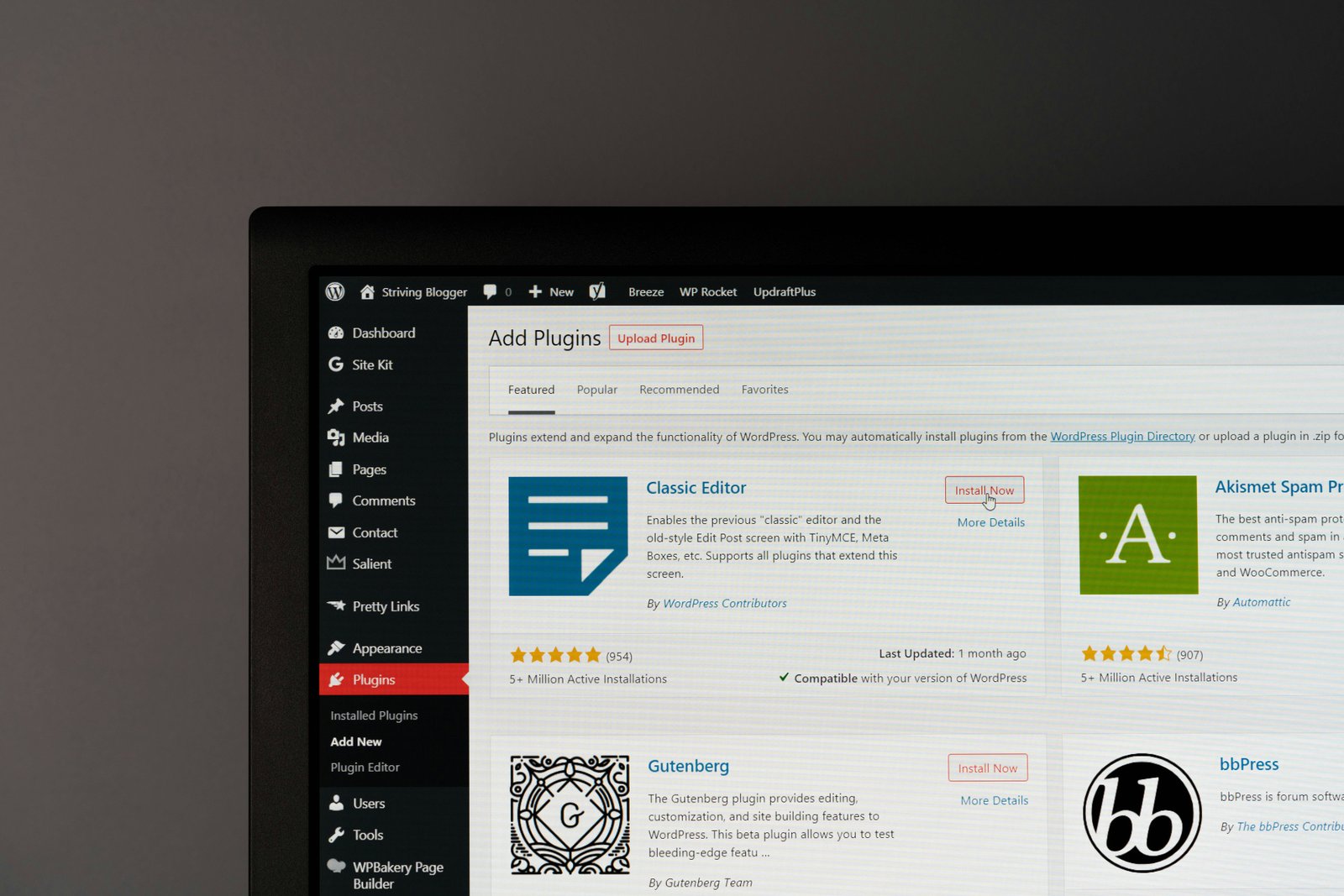
WordPress powers over 43% of all websites globally. It's a content management system that gives non-technical users the ability to add pages, write blog posts, and update content through an intuitive dashboard — no coding required. It scales from simple brochure sites to complex eCommerce platforms.
Speed and Performance
Custom HTML wins here. A well-built HTML site typically scores 95+ on Google PageSpeed Insights because there's no database to query, no PHP processing overhead, and no plugin conflicts. Pages are served as static files — they simply cannot be faster.
WordPress can be highly optimised with caching plugins (LiteSpeed, WP Rocket) and a good host — but it will rarely match the raw speed of a hand-coded site. Poorly configured WordPress installs with many plugins can be extremely slow.
"A custom-coded landing page loading in 0.8 seconds versus a WordPress page loading in 2.4 seconds can meaningfully impact conversion rates and Google rankings — especially on mobile."
SEO Capabilities
Both can rank equally well when properly implemented. Custom HTML has a natural speed advantage, but WordPress sites with Yoast SEO or RankMath, proper schema markup, and well-structured content can rank just as highly. WordPress makes SEO accessible for non-technical users through guided plugins.
Ease of Content Management
WordPress wins convincingly. If you need to add service pages, publish blog posts, update pricing, or edit content regularly without involving a developer, WordPress is the clear choice. Most business owners can manage basic updates within an hour of training.
Custom HTML sites require a developer for every content change — which adds cost and delay for businesses that need agility.
Security
Custom HTML wins here. Static HTML sites have virtually no attack surface — no database, no admin login panel, no plugins with vulnerabilities. They are immune to the most common WordPress attack vectors.
WordPress security requires ongoing attention: regular core and plugin updates, two-factor authentication, security plugins, and a secure hosting environment. When maintained properly, WordPress is secure — but it requires that ongoing commitment.
When to Choose Custom HTML
- Your website is primarily a brochure with infrequent content updates
- Maximum page speed is critical — advertising landing pages, conversion pages
- You have a developer available for any future changes
- Security is a top priority (financial, healthcare, legal)
- Your design is highly custom and would be constrained by any theme
When to Choose WordPress
- You need to update content regularly without a developer
- You want a blog or news section you can manage yourself
- You need eCommerce functionality via WooCommerce
- Multiple team members need to manage different sections of the site
- You want to add functionality through plugins without custom development
Our Recommendation
For most growing businesses, WordPress is the right choice — the flexibility and content management capabilities outweigh the performance trade-offs when the site is properly optimised. The ability to grow content, manage updates independently, and extend functionality makes it a better long-term investment.
Choose custom HTML for portfolio sites, high-traffic landing pages, or businesses where content changes rarely and maximum performance is essential.
